
Some text content here

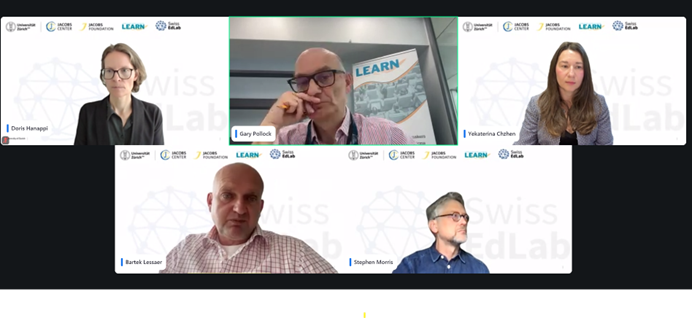

On 2 July, LEARN Project held a web panel on Education and Inequality in Europe: Longitudinal Evidence, Policy, and Practice, bringing together leading researchers and a policy expert from the European Commission to explore how longitudinal evidence can deepen our understanding of educational inequalities and support evidence-informed policymaking across Europe.
The discussion highlighted the important role of high-quality longitudinal data in identifying the drivers of unequal educational opportunities and in informing effective policy responses. Participants reflected on current challenges and opportunities for strengthening evidence-based education systems across Europe.
These themes resonated throughout the discussion and underscored the value of robust, long-term data for understanding educational inequality and supporting effective education policy and practice.
Thank you to our host and distinguished panellists for sharing their expertise and perspectives:
The full recording of the discussion is available below.
Thank you to all speakers and participants for contributing to this engaging and insightful discussion.